

 Deutsch
 English
 français
 español
 العربية
 中文
中文
How to Maintain and Care for Your Electrical Power Equipment?
Modern electrical systems rely heavily on advanced devices like Static Var Generators (SVGs) and Active Harmonic Filters (AHFs) to ensure stable power quality, energy efficiency, and equipment longevity. However, even the most sophisticated systems require regular maintenance to perform optimally. Neglecting upkeep can lead to inefficiencies, unexpected downtime, or even costly failures. In this blog, we’ll explore practical steps to maintain SVG and AHF systems, ensuring they deliver reliable performance for years to come.
Understanding SVG and AHF: Why Maintenance Matters Before diving into maintenance practices, let’s briefly recap the roles of SVG and AHF in power systems:
SVG (Static Var Generator): Compensates for reactive power in real time, stabilizing voltage levels and improving power factor.
AHF (Active Harmonic Filter): Detects and eliminates harmonic distortions caused by non-linear loads (e.g., variable frequency drives, LED lighting), protecting sensitive equipment.
Both devices use power electronics (like IGBTs) and advanced control algorithms to operate. However, their exposure to electrical stress, heat, and environmental factors makes regular maintenance critical.
Maintenance Best Practices for SVG Systems 1. Regular Visual Inspections Start with a visual check of the SVG unit:
Check for physical damage: Look for cracks, corrosion, or loose connections in cabinets, cooling fans, and wiring.
Monitor cooling systems: SVG components generate heat during operation. Ensure fans, heat sinks, and ventilation paths are free of dust and debris. Blocked airflow can lead to overheating and reduced lifespan.
Inspect capacitors and reactors: Swollen capacitors or discolored reactors may indicate aging or overloading.
2. Monitor Electrical Parameters Use built-in monitoring tools or external sensors to track:
Voltage and current levels: Sudden fluctuations may signal grid instability or internal faults.
Reactive power output: Ensure the SVG is compensating as expected. Deviations could point to control board issues.
Temperature: Most SVGs have thermal sensors. Keep internal temperatures within the manufacturer’s specified range.
3. Firmware and Software Updates SVGs rely on control algorithms to respond dynamically to grid conditions. Periodically:
Update firmware to patch bugs or improve performance.
Calibrate sensors and controllers to maintain measurement accuracy.
4. Professional Thermal Imaging Schedule annual thermographic inspections. Hotspots in power modules or connections often precede failures. Early detection allows for proactive repairs.
Maintenance Guidelines for AHF Systems 1. Cleanliness is Key AHFs are sensitive to dust and moisture due to their precision electronics:
Clean air filters monthly: Clogged filters reduce cooling efficiency. Replace them if damaged.
Wipe down internal components: Use compressed air or anti-static brushes to remove dust from circuit boards and heat sinks.
Harmonic Performance Testing AHFs must adapt to changing harmonic profiles. Regularly:
Measure harmonic levels using a power quality analyzer. Compare results with the AHF’s mitigation data.
Verify that Total Harmonic Distortion (THD) stays below 5%, as per IEEE standards.
Check DC Bus and Capacitors
DC bus voltage: Ensure it matches the rated value. Voltage spikes may indicate faulty capacitors or switching components.
Capacitor health: Test capacitance and ESR (Equivalent Series Resistance). Replace capacitors showing signs of leakage or bulging.
4. Validate Control Logic AHFs use real-time calculations to inject counter-harmonics. Test their responsiveness by:
Simulating load changes (e.g., turning on/off non-linear loads).
Observing if the AHF adjusts its output within milliseconds.
Shared Maintenance Tips for SVG and AHF Environmental Controls Maintain ambient temperature below 40°C and humidity under 85%.
Install surge protectors to guard against voltage spikes.
Documentation Keep logs of inspections, repairs, and performance metrics. Trend analysis helps predict wear patterns.
Training Ensure technicians understand the specific requirements of SVG/AHF systems. Misconfiguration during repairs can cause malfunctions.
When to Call a Professional While basic maintenance can be performed in-house, complex tasks require expertise:
Replacing IGBT modules or damaged PCBs.
Recalibrating control systems after a grid fault.
Troubleshooting communication errors between SVG/AHF and SCADA systems.
Conclusion Proactive maintenance of SVG and AHF systems isn’t just about avoiding breakdowns—it’s about maximizing ROI. Well-maintained units consume less energy, reduce downtime, and extend service life by years. By integrating these practices into your routine, you’ll ensure your power quality solutions remain resilient against the demands of modern electrical networks.
Remember: Prevention is always cheaper than cure. Schedule your next inspection today!
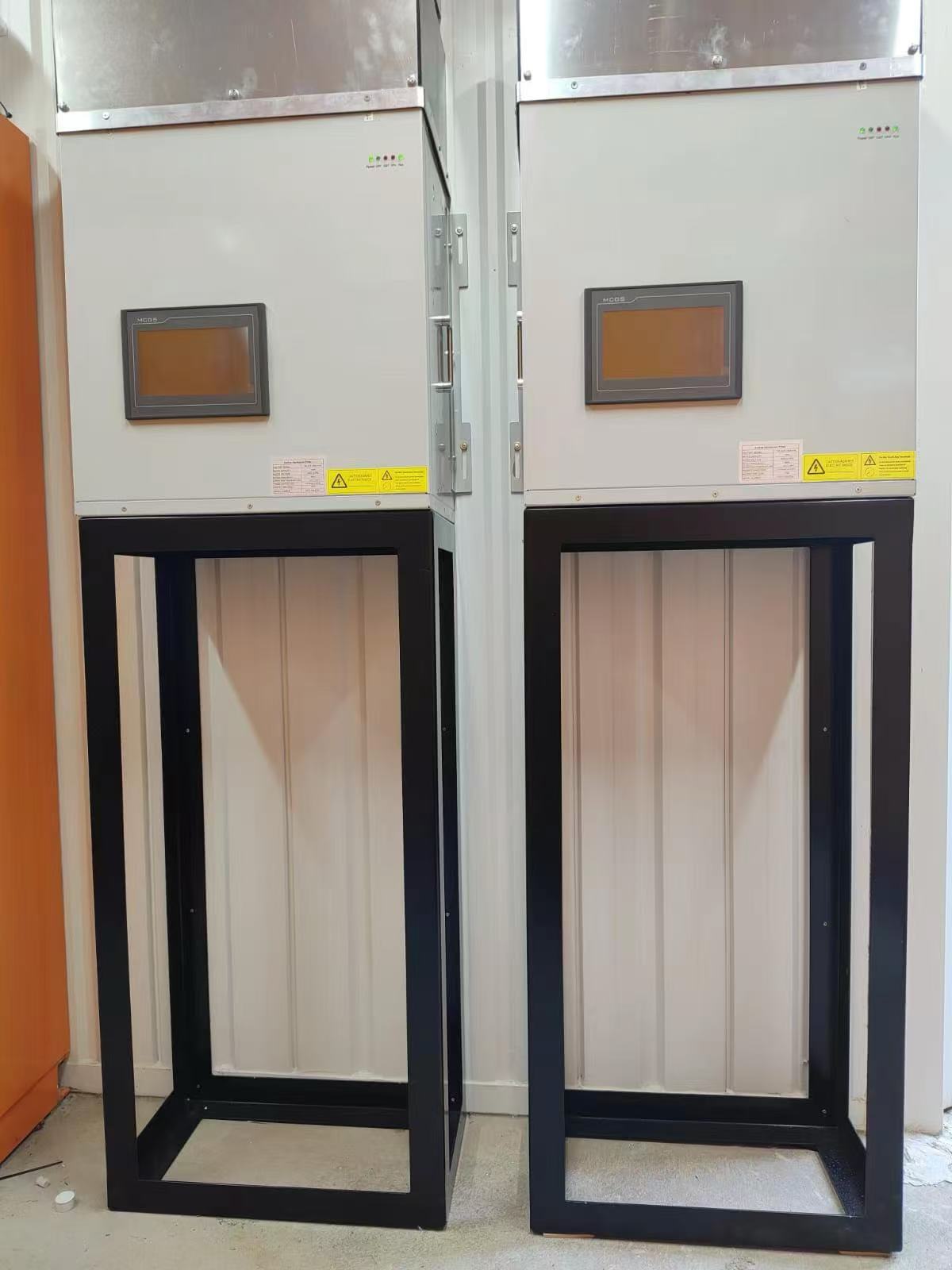
For more information on Active Harmonic Filter and Static Var Generator and improve power quality: amber@yt-electric.com



 IPv6-Netzwerk unterstützt