

 Deutsch
 English
 français
 español
 العربية
 中文
中文
Eine robotergestützte Schweißzelle kann stundenlang perfekt laufen und dennoch eine schwerwiegende Schwachstelle im Stromnetz der Fabrik aufdecken, wenn mehrere Linien gleichzeitig starten. Das Symptom kann ein heißer Neutralleiter, eine Fehlauslösung, eine Spannungsbeschwerde eines Servoantriebs oder ein Transformator sein, der über seiner erwarteten Temperatur arbeitet. In vielen Fällen ist die Ursache nicht eine einzelne defekte Maschine. Es ist ein dreiphasiges Lastungleichgewicht in Kombination mit harmonischen Strömen von Antrieben, Gleichrichtern und leistungselektronischen Steuerungen.
Dieser Artikel erklärt, wie aktiver Lastabgleich automatisierten Fabriken hilft, Gegensystemströme, Nullsystemströme, Neutralleiterüberhitzung und Spannungsasymmetrie zu kontrollieren. Er zeigt auch, wo ein Aktiver Oberschwingungsfilter APF den Lastabgleich unterstützen kann und wann ein Ingenieur eine separate oder kombinierte Lösung zur Spannungsqualität in Betracht ziehen sollte.
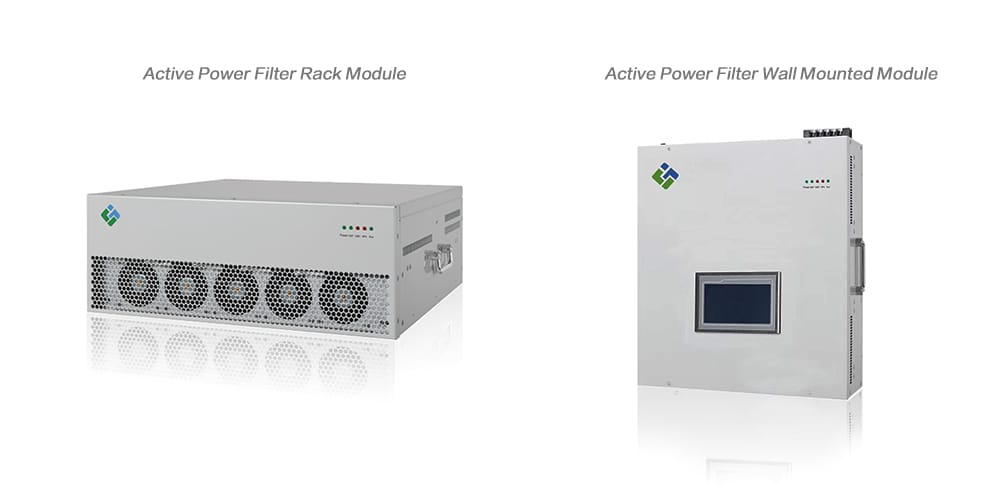
Abbildung 1. YT Electric APF-Module für Rack- und Wandmontage für industrielle Anwendungen zur Spannungsqualität.
Moderne Fabriken kombinieren große dreiphasige Maschinen mit einphasigen Hilfslasten. Robotersteuerungen, Schweißtransformatoren, Beleuchtungskreise, Schaltschränke, Büroausstattung, Batterieladegeräte und Testgeräte können an verschiedene Phasen angeschlossen sein. Die Last bleibt nicht konstant: Roboter beschleunigen, Schweißgeräte zünden, Frequenzumrichter ändern ihre Geschwindigkeit und Produktionszellen starten nach einer Verriegelung neu. Das Ergebnis ist ein Stromprofil, das sich phasen- und sekundengenau ändert.
In einem symmetrischen Dreiphasensystem bilden die Phasenströme ein symmetrisches rotierendes Magnetfeld. Ein Ungleichgewicht führt eine Gegensystemkomponente ein, die gegen das normale Feld rotiert. Motoren erfahren dann zusätzliche Erwärmung und Drehmomentpulsationen. Der gleiche Effekt erhöht die thermische Belastung in Generator-Lichtmaschinen und kann die nutzbare Kapazität eines Transformators oder Einspeisekabels verringern.
In einer dreiphasigen Vierleiterinstallation können sich Triplen-Oberschwingungen und unsymmetrische einphasige Lasten im Neutralleiter addieren, anstatt sich aufzuheben. Der Neutralleiter kann daher einen Strom führen, der deutlich höher ist, als eine einfache Phasenlastberechnung vermuten lässt. Ein heißer Neutralleiter, ein verfärbter Anschluss oder ein wiederholter thermischer Alarm sollten eine Messung auslösen, nicht als erste Reaktion eine größere Sicherung.
Eine manuelle Phasenumverteilung hilft, wenn die Last stabil ist und die Anlage über genügend Reservekapazität auf jeder Phase verfügt. Sie wird weniger effektiv, wenn sich die Produktion im Laufe des Tages ändert. Das Verschieben einer Maschine auf eine andere Phase kann das Ergebnis während einer Schicht verbessern, aber ein neues Ungleichgewicht erzeugen, wenn Roboter, Kompressoren oder Ladegeräte ihre Betriebszustände ändern.
Kondensatorbänke lösen ein anderes Problem. Sie bieten eine gestufte Blindleistungskompensation, bewegen aber nicht aktiv Strom zwischen den Phasen. In einer Fabrik mit sich schnell ändernden Lasten und oberschwingungserzeugenden Umrichtern kann das Schalten von Kondensatoren auch transiente Belastungen erzeugen oder mit der Systemimpedanz interagieren. Ingenieure sollten daher drei Fragen trennen: Ist das dominante Problem der harmonische Strom? Ist es die Blindleistung? Oder ist es die Phasenstromasymmetrie?
Ein Aktiver Lastabgleicher verwendet Stromwandler zur Messung der Phasenströme und einen Leistungsumrichter zur Einspeisung eines kontrollierten Kompensationsstroms. Die Steuerung berechnet die unerwünschte Komponente, wie z. B. Gegensystemstrom, Nullsystemstrom oder ausgewählte Oberschwingungsordnungen, und weist den Umrichter an, die entgegengesetzte Komponente zu erzeugen. Das Netz sieht dann ein symmetrischeres Stromprofil.
Die Produktinformationen von YT Electric führen eine dreistufige Topologie, eine Schalt-/Steuerfrequenz von 25,6 kHz, eine anfängliche Reaktionszeit gemäß Produktspezifikation und eine Gesamtreaktionszeit gemäß Produktspezifikation auf. Die genaue Nennleistung, der Kompensationsmodus und die Reaktionsleistung müssen vor der Beschaffung anhand des ausgewählten Modells und der Anwendungsbedingungen bestätigt werden.
| Technisches Problem | Manuelle Umverteilung / passive Korrektur | Aktiver Lastabgleich mit APF |
|---|---|---|
| Ändernde Phasenlasten | Erfordert wiederholte manuelle Überprüfung | Misst und kompensiert dynamisch |
| Gegensystemstrom | Begrenzte Kontrolle | Kann bei Unterstützung durch die gewählte Konfiguration gezielt adressiert werden |
| Nullsystem- / Neutralleiterstrom | Kann hoch bleiben | Eine Vierleiter-Konfiguration kann den Neutralleiterstrom verringern |
| Oberschwingungsstrom | Kondensatorbänke kompensieren diesen nicht aktiv | Aktive Kompensation für ausgewählte Oberschwingungsordnungen |
| Reaktion auf Roboter- oder Schweißgerätänderungen | Langsam oder gestuft | Leistungselektronische dynamische Reaktion |
| Erweiterung | Kann eine Neugestaltung des Schaltschranks erfordern | Modulare APF-Kapazität kann eine stufenweise Planung unterstützen |
Die folgende Matrix ist ein Screening-Tool, keine endgültige Dimensionierungsberechnung. Der Ingenieur sollte vor der Auswahl des Kompensationsstroms Phasenstrom, Neutralleiterstrom, THDi, Spannungsunsymmetrie, Lastprofil, Transformatordaten und den Verknüpfungspunkt (PCC) erfassen.
| Fabrikzustand | Typisches Symptom | Zu messende Daten | Erste Lösungsrichtung |
|---|---|---|---|
| Roboterschweißlinie | Schnelle Stromänderungen und Spannungsstörungen | Phasenstromverlauf, Spannungsschwankung, THDi | APF mit dynamischer Kompensation bewerten und Einspeiseimpedanz verifizieren |
| VFD-intensive Produktionslinie | Transformatorerwärmung und Oberschwingungsalarme | THDi-Spektrum, Transformatortemperatur, PCC-Daten | APF-Oberschwingungsdämpfung bewerten; Resonanz vor dem Hinzufügen von Kondensatoren prüfen |
| Dreiphasige Vierleiteranlage | Heißer Neutralleiter und ungleichmäßige Phasenbelastung | Neutralleiter-RMS-Strom, Sequenzkomponenten, Phasenstrom | Vierleiter-APF/Lastausgleichskonfiguration bewerten |
| Fabrikerweiterung | Bestehendes System wird nach Hinzufügen neuer Zellen instabil | Lastprofil vor/nachher und Reservekapazität | Modulare APF-Planung verwenden und Platz für Schalttafel/Stromwandler (CT) reservieren |
| Gemischte Automatisierungs- und HLK-Lasten | Leistungsfaktoränderungen je nach Schicht | kW, kvar, PF und Oberschwingungsverlauf nach Zeit | Oberschwingungs- und Blindleistungsanforderungen trennen; APF plus SVG in Betracht ziehen |
Die richtige Hardware kann eine schlechte Messung oder einen ungeeigneten CT-Standort nicht ausgleichen. Die CTs müssen den Laststrom repräsentieren, den der Regler korrigieren soll, und das Kompensationsgerät muss an einem Punkt angeschlossen sein, an dem der Ziel-Einspeisestrom klar gemessen werden kann. Das Design muss auch Phasenfolge, Neutralleiteranordnung, Kurzschlussniveau, Kabelführung, Belüftung und Wartungsabstände bestätigen.
Für eine bestehende Fabrik sollte eine kurze Netzqualitätsuntersuchung den Produktionsanlauf, die stabile Produktion, den Schichtwechsel und den Betriebszustand mit der höchsten Last abdecken. Ein einzelner Handmesswert, der während einer Leerlaufzeit aufgenommen wurde, kann das Ereignis verpassen, das die Auslösung verursacht. Trenddaten sind besonders nützlich, um eine stabile Unsymmetrie von einem kurzzeitigen Schaltereignis zu unterscheiden.
Einige APF-Konfigurationen unterstützen die Kompensation von Oberschwingungen, Blindleistungskompensation und die Kompensation von dreiphasigen Lastunsymmetrien. Der nutzbare Strom muss auf diese Funktionen aufgeteilt werden, daher sollten das gewählte Modell und die Kompensationsprioritäten durch eine Standortanalyse bestätigt werden.
Eine Kondensatorbatterie stellt primär gestufte Blindleistung bereit. Sie gleicht weder aktiv den Phasenstrom aus noch eliminiert sie Oberschwingungsströme. Wenn das Werk schnell wechselnde Lasten, einen signifikanten THDi oder einen heißen Neutralleiter aufweist, sollten Sie eine aktive Kompensation in Betracht ziehen, bevor Sie Kondensatoren hinzufügen oder erweitern.
Die Auswahl hängt vom gemessenen Oberschwingungsstrom, Blindstrom, Unsymmetriestrom, Spannungspegel, der Verdrahtungskonfiguration, dem Betriebsprofil und der erforderlichen PCC-Leistung ab. Die gesamte kVA-Leistung des Transformators allein reicht für eine endgültige APF-Auslegung nicht aus.
YT Electric APF-Systeme verwenden modulare Anordnungen in den unterstützten Produktserien. Ein stufenweises Design kann Schrankplatz, CT-Positionen, Einspeisekapazität und Kommunikationsschnittstellen für zukünftige Module reservieren. Bestätigen Sie den Erweiterungsplan vor der ersten Installation.
TDreiphasige Unsymmetrie ist nicht nur ein Verteilungsproblem. Sie beeinflusst die Motorerwärmung, die Sicherheit des Neutralleiters, die Transformatorkapazität, die Zuverlässigkeit der Ausrüstung und die Stabilität der automatisierten Produktion. Aktiver Lastausgleich bietet Ingenieuren eine Möglichkeit, auf sich ändernde Phasenströme zu reagieren, anstatt sich nur auf eine manuelle Umverteilung zu verlassen.
YT Electric bietet Aktive Oberschwingungsfilter-Lösungen und aktiven Lastausgleich für industrielle Anwendungen zur Spannungsqualität. Senden Sie Ihr einpoliges Schaltbild, Transformatordaten, Phasenstrommessungen, den Trend des Neutralleiterstroms und das Produktionslastprofil zur standortspezifischen Bewertung an unser Ingenieurteam.
Kontaktieren Sie YT Electric für eine industrielle Bewertung des dreiphasigen Lastausgleichs und der Spannungsqualität.
Weiterführende Literatur: 3-stufiger aktiver Oberschwingungsfilter zur THDi-Korrektur



 IPv6-Netzwerk unterstützt